




Medical Weight Loss & Long-Term Metabolic Health
Weight Loss That Addresses the Cause, Not Just the Number
Weight loss is often treated as a math problem: eat less, move more, try harder. But for many patients, that advice is too shallow. It does not explain why weight gain started, why cravings became stronger, why food or alcohol became a coping tool, why stress changes appetite, or why the body seems to fight weight loss even when a patient is trying.
At Hill Family Medicine, weight loss care is built around a deeper question: What caused the weight gain in the first place, and what has to change for the weight loss to last?
Our approach combines short-term medical support with long-term lifestyle, metabolic, and emotional healing.
GLP-1 Medications as a Short-Term Tool
For appropriate patients, GLP-1 medications may be used as part of a medical weight loss plan. These medications can help reduce appetite, improve fullness, support blood sugar regulation, and create momentum when weight loss has been difficult.
But medication is not the whole plan.
GLP-1 medications can be very helpful, but they work best when they are paired with nutrition changes, strength-building, sleep improvement, stress regulation, and a clear long-term strategy. The goal is not simply to lose weight while taking medication. The goal is to use the window of support wisely, so the patient is building a healthier life while the medication is helping reduce the biological resistance to change.
Why Emotions Matter in Weight Loss
A distinguishing feature of our weight loss work is that we look carefully at the relationship between weight gain, stress, anxiety, depression, inflammation, and coping behaviors.
Many patients do not gain weight because they lack discipline. They gain weight because their nervous system has been under strain for too long.
Anxiety and depression can change how a person sleeps, eats, moves, thinks, connects, and recovers. Chronic stress can affect cortisol patterns, increase inflammation, disrupt appetite signals, and push the autonomic nervous system into survival mode. In that state, the body is not simply “making bad choices.” It is trying to regulate distress.
Food, alcohol, snacking, sugar, and late-night eating often become coping tools. They may provide comfort, sedation, stimulation, reward, or relief in the short term. But over time, these same coping patterns can contribute to weight gain, metabolic dysfunction, inflammation, shame, and a cycle that becomes harder to break.
A Different Kind of Weight Loss Conversation
In our clinic, we do not treat weight as a character flaw. We look at the full pattern. We ask:
- What was happening in your life when the weight gain began?
- Was anxiety, depression, grief, burnout, trauma, work stress, or relationship stress involved?
- Are food or alcohol being used to calm the nervous system?
- Are cravings worse at night, during conflict, during loneliness, or after emotional depletion?
- Is poor sleep driving hunger, fatigue, or insulin resistance?
- Is your body inflamed, stressed, under-muscled, over-medicated, or metabolically stuck?
- What plan would actually fit your life long enough to work?
This allows us to build a plan that is not just about restriction. It is about recovery, regulation, and rebuilding trust with the body.
What the Plan May Include
Depending on the patient, a weight loss plan may include:
- GLP-1 medication when medically appropriate
- Nutrition planning focused on protein, fiber, blood sugar stability, and sustainability
- Strength and movement guidance
- Sleep evaluation and improvement
- Lab evaluation for metabolic, hormonal, inflammatory, or nutritional contributors
- Review of medications that may contribute to weight gain
- Support for emotional eating, alcohol use, cravings, and stress-based coping
- Anxiety and depression treatment when relevant
- Nervous system regulation strategies
- Long-term planning for weight maintenance after medication reduction or discontinuation
The Goal: Weight Loss That Can Become Health
Successful weight loss is not just a smaller number on the scale. It is lower inflammation, better energy, improved sleep, better blood sugar, less joint pain, more confidence, and a healthier relationship with food and the body.
For many patients, it also means understanding that the original weight gain had a story. When that story is addressed honestly and compassionately, the patient has a better chance of building a future that does not repeat the same pattern.
Our goal is to help patients lose weight in a way that is medically sound, emotionally honest, and sustainable over time. We use medication when it is helpful, but we do not stop there. We help patients build the structure, habits, insight, and support needed for long-term metabolic health.
Why Choose Hill Family Medicine for Medical Weight Loss?
- We Look for the Cause: We ask what was happening when the weight gain began, not just what you are eating now.
- Medication With a Plan Around It: GLP-1 therapy when appropriate, paired with nutrition, strength, sleep, and stress regulation.
- Emotionally Honest Care: We address emotional eating, alcohol use, cravings, anxiety and depression rather than treating weight as a character flaw.
- Built to Last: Long-term maintenance planning starts before the medication is reduced or discontinued.
Frequently Asked Questions
Do You Prescribe GLP-1 Medications?
For appropriate patients, GLP-1 medications may be used as part of a medical weight loss plan. They can help reduce appetite, improve fullness, support blood sugar regulation, and create momentum when weight loss has been difficult.
Is Medication the Whole Plan?
No. GLP-1 medications work best when paired with nutrition changes, strength-building, sleep improvement, stress regulation, and a clear long-term strategy. The goal is to use the window of support wisely, so you are building a healthier life while the medication reduces the biological resistance to change.
Why Do You Ask About Stress, Anxiety, and Depression?
Chronic stress can affect cortisol patterns, increase inflammation, disrupt appetite signals, and push the nervous system into survival mode. Food, alcohol, snacking, sugar, and late-night eating often become coping tools, and over time those patterns can contribute to weight gain and metabolic dysfunction.
What Might My Plan Include?
Depending on the patient: GLP-1 medication when medically appropriate, nutrition planning, strength and movement guidance, sleep evaluation, lab work for metabolic, hormonal, inflammatory or nutritional contributors, review of medications that may contribute to weight gain, support for emotional eating and cravings, and treatment for anxiety or depression when relevant.
What Happens When I Stop the Medication?
Long-term planning for weight maintenance after medication reduction or discontinuation is built into the plan from the start. The aim is that the habits, structure, insight, and support are in place before the medication is reduced.
Is Weight Gain Simply a Matter of Willpower?
No. Many patients do not gain weight because they lack discipline. They gain weight because their nervous system has been under strain for too long. We do not treat weight as a character flaw — we look at the full pattern.
How Do You Define a Successful Outcome?
Successful weight loss is not just a smaller number on the scale. It is lower inflammation, better energy, improved sleep, better blood sugar, less joint pain, more confidence, and a healthier relationship with food and the body.
Start With a Different Conversation
If previous weight loss attempts have not lasted, there may be a reason no one has asked about yet. Schedule an appointment with Hill Family Medicine today to build a plan around long-term metabolic health.
Our Recent Blogs

Autism as Evolution: A Genetic and Cognitive Adaptation to a Technological World
Autism as Evolution: A Genetic and Cognitive Adaptation to a Technological World Author: Dr. Matthew
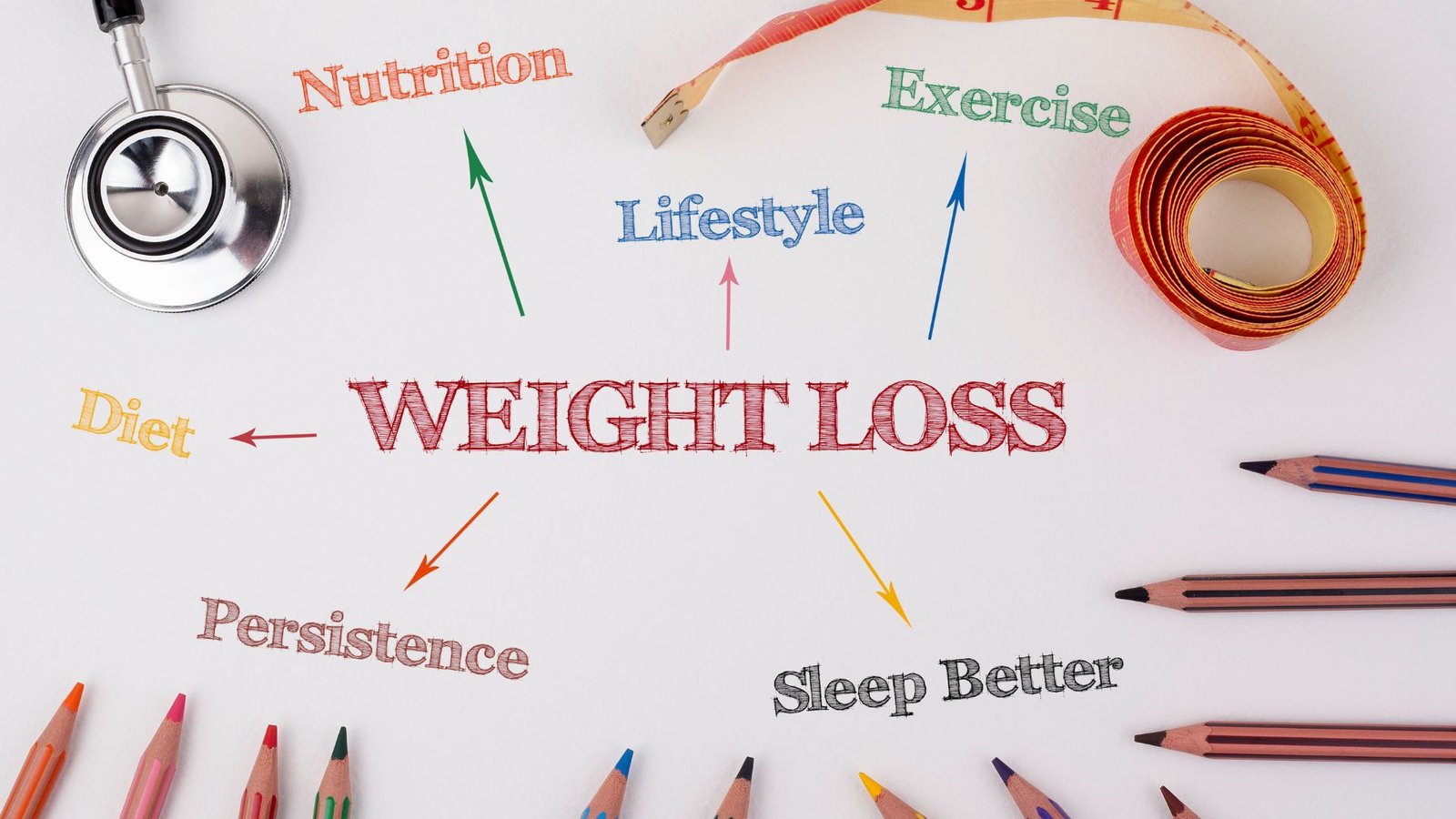
Unlock Your Best Self: The Power of Medical Weight Loss at Hill Family Medicine
Hill Family Medicine in Austin, TX, is dedicated to providing patients with the tools they

Breaking Through: The Science Behind Ketamine Therapy for Mental Health
At Hill Family Medicine, we prioritize more than just traditional medical treatments. Our commitment to

Your Family’s Health, Our Priority: A Comprehensive Overview of Hill Family Medicine Services
Hill Family Medicine is an independently owned and operated medical clinic providing the most thorough

Conquering Allergies: Effective Treatment Options at Hill Family Medicine
If you’re struggling with allergies, Hill Family Medicine at our Bee Cave office in Austin,

Shedding Pounds, Gaining Confidence: Your Guide to Medical Weight Loss
Embarking on a journey to achieve a healthier weight is more than just a physical