Post-traumatic stress disorder (PTSD) can develop after a frightening or life-threatening experience. It is common, it is real, and it is treatable. Here is how to recognize it and what help looks like.
Common symptoms
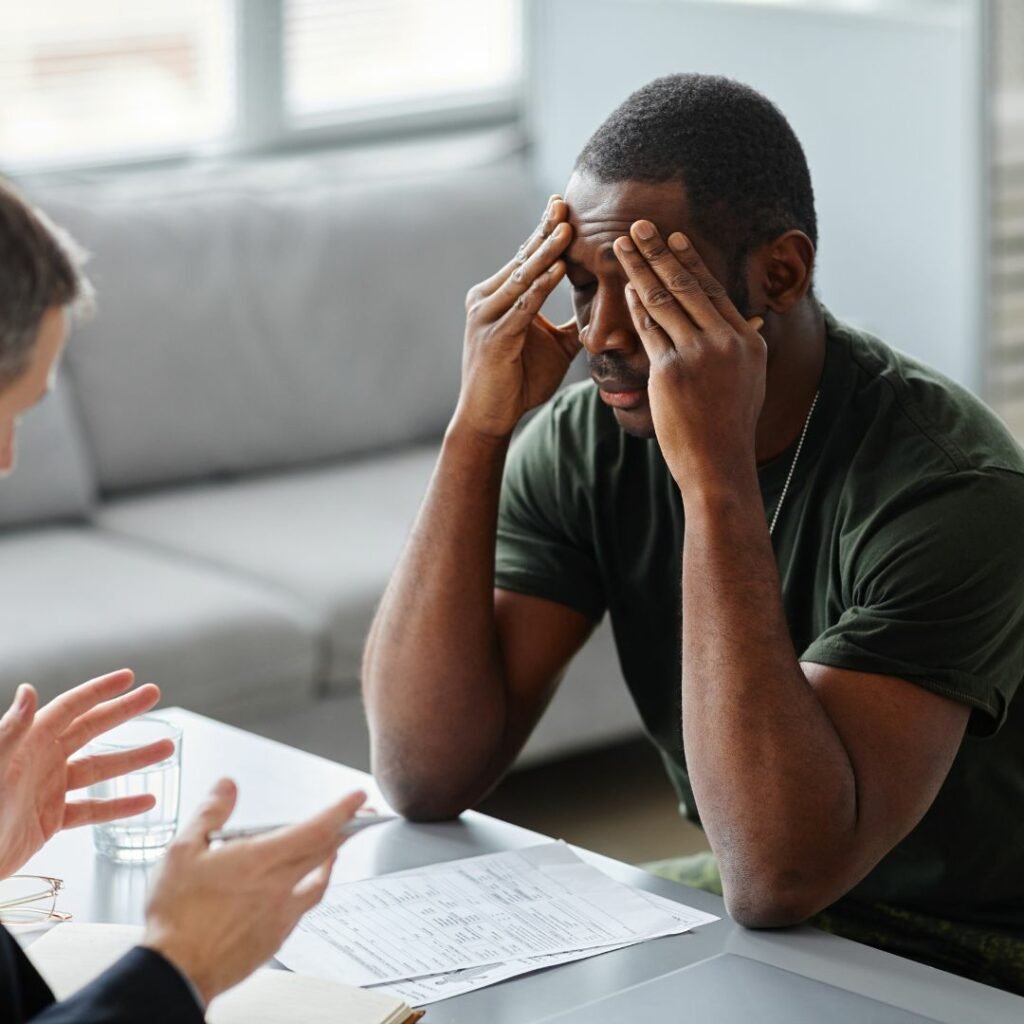
PTSD symptoms usually fall into four groups:
- Reliving the event: intrusive memories, flashbacks or nightmares
- Avoidance: staying away from places, people or thoughts that bring up the memory
- Changes in mood and thinking: guilt, shame, numbness, losing interest in things you used to enjoy
- Feeling on guard: being easily startled, irritable, tense or unable to sleep
When these last more than a month and get in the way of work, relationships or daily life, it is time to talk with a professional.
What causes PTSD
PTSD can follow combat, assault, abuse, a serious accident, a disaster or the sudden loss of someone close. Not everyone who lives through trauma develops PTSD. Past trauma, ongoing stress and a lack of support after the event can raise the risk. In PTSD, the brain and body keep reacting as if the danger has not passed.
Treatment options
PTSD responds to treatment. Well-studied options include:
- Trauma-focused therapy, such as cognitive processing therapy, prolonged exposure or EMDR, usually with a licensed therapist
- Medication, including certain antidepressants approved for PTSD
- Support for sleep, stress and physical health, which often suffer alongside PTSD
How Hill Family Medicine can help
Our healthcare providers look at the whole person: symptoms, sleep, stress, physical health and what you have already tried. Depending on your needs, your plan may include:
- Medication management and referral to trauma-focused therapy
- Sacred Medicine, our program that looks at PTSD as a pattern of protection the mind and body learned in order to survive
- Ketamine-assisted psychotherapy within Sacred Medicine, for carefully selected patients after a medical review
- A medical cannabis evaluation, because PTSD is a qualifying condition under the Texas Compassionate Use Program
None of these replace trauma therapy when it is needed, and none are right for everyone. We will help you choose a safe, realistic plan.
Get help now if you need it
If you are in crisis or thinking about harming yourself, call or text 988. Veterans can press 1 after dialing 988 to reach the Veterans Crisis Line. For an emergency, call 911.
Take the first step
If you or someone you love is living with PTSD symptoms, book a visit or call (512) 428-5764.